



What is a coral reef?
A coral reef is an underwater ecosystem characterized by reef-building corals. Reefs are formed of colonies of coral polyps held together by calcium carbonate. Most coral reefs are built from stony corals, whose polyps cluster in groups.
What is climate change?
Climate change is a change in the pattern of weather, and related changes in oceans, land surfaces and ice sheets, occurring over time scales of decades or longer.
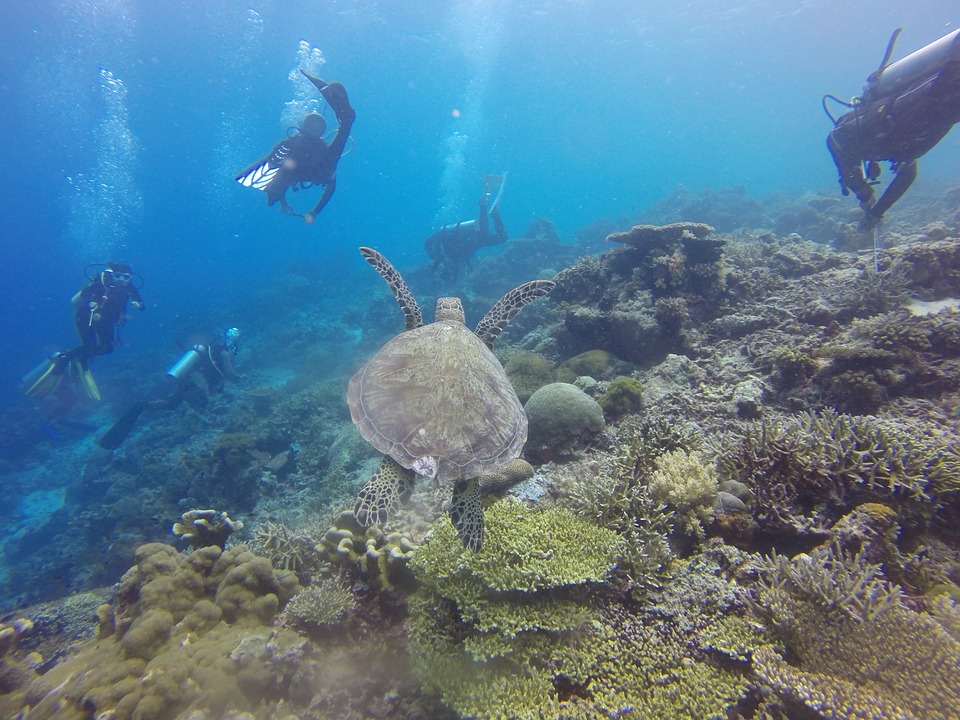
WHAT IMPACTS DOES CLIMATE CHANGE HAVE ON CORAL REEFS?
Climate change is causing the sea levels to rise and changes the frequency and the intensity of tropical storms, therefore altering the ocean circulation patterns and leading to more coral bleaching and infectious diseases.
All of these impacts alter the ecosystem dramatically, which doesn’t just impact the underwater life, but us as well.
Mass coral bleaching and infectious disease outbreaks are becoming more and more frequent as the temperature is rising. In a process called ocean acidification, carbon dioxide is absorbed from the atmosphere into the ocean and reduces calcification in reef building and reef organisms by altering seawater chemistry by decreasing the pH levels.
A recent study of 159 reefs in the Pacific found that plastic pollution is killing coral, too. When coral reefs come into contact with plastic waste, the amount of disease rises by 20%. The scientists do not know exactly how the plastic causes disease, but they speculate that bacteria on the plastic can infect the coral and plastic can block the needed sunlight. By 2025, 15.7 billion plastic pieces could come into contact with coral reefs.
Roughly one-quarter of coral reefs worldwide are already considered damaged beyond repair, with another two-thirds under serious threat. Major threats to coral reefs and their habitats include:
- The ocean temperature rising causes thermal stress that contributes to coral bleaching and infectious disease.
Corals cannot survive if the water temperature is too high. Global warming has already led to increased levels of coral bleaching, and this is predicted to increase in frequency and severity in the coming decades. Such bleaching events may be the final nail in the coffin for already stressed coral reefs and reef ecosystems.
Reef bleaching occurs when extreme water conditions cause corals to get rid of the internal microorganisms that give them their vibrant colours. Bleaching events are attributed to a number of factors including pollution and extreme low tide, but the most common and widespread is the change in water temperature caused by climate change. As the planet heats up, water temperatures tend to rise as well.
Thankfully, bleached corals are technically not dead yet. Coral reefs have been known to recover from a bleaching event, particularly when water temperature cool during winter. However, when corals are in this state, they do become more vulnerable to disease and possible death, especially if they are continuously subjected to stress.
- Sea levels rising leads to the increase in sedimentation for reefs
- Sedimentation runoff can lead to the smothering of coral.
Erosion caused by construction (both along coasts and inland), mining, logging, and farming is leading to increased sediment in rivers. This ends up in the ocean, where it can ‘smother’ corals by depriving them of the light needed to survive. The destruction of mangrove forests, which normally trap large amounts of sediment, is exacerbating the problem. Also, fish are unable to feed and coral polyps are unable to grow, leaving the area inhospitable to reef life.
- Changes in storm patterns lead to stronger and more frequent storms that can cause the destruction of coral reefs.
- Changes in precipitation, such as runoff of freshwater, sediment and land-based pollutants cause murky water that reduces light.
Urban and industrial waste, sewage, agrochemicals, and oil pollution are poisoning reefs. These toxins are dumped directly into the ocean or carried by river systems from sources upstream. Some pollutants, such as sewage and runoff from farming, increase the level of nitrogen in seawater, causing an overgrowth of algae, which ‘smothers’ reefs by cutting off their sunlight.
Water pollution is possibly the most obvious cause of reef destruction. Reefs are harmed when oil, fertilizer and human or animal waste are dumped in the area. These elements can end up changing the chemical makeup of the water, but the waste can also block life-giving sunlight to the reef.
Floating trash can also cut young coral polyps off from the nutrients they need to grow into a thriving reef.
- Coral mining. Live coral is removed from reefs for use as bricks, road-fill, or cement for new buildings. Corals are also sold as souvenirs to tourists and to exporters who don’t know or don’t care about the long term damage done, and harvested for the live rock trade.
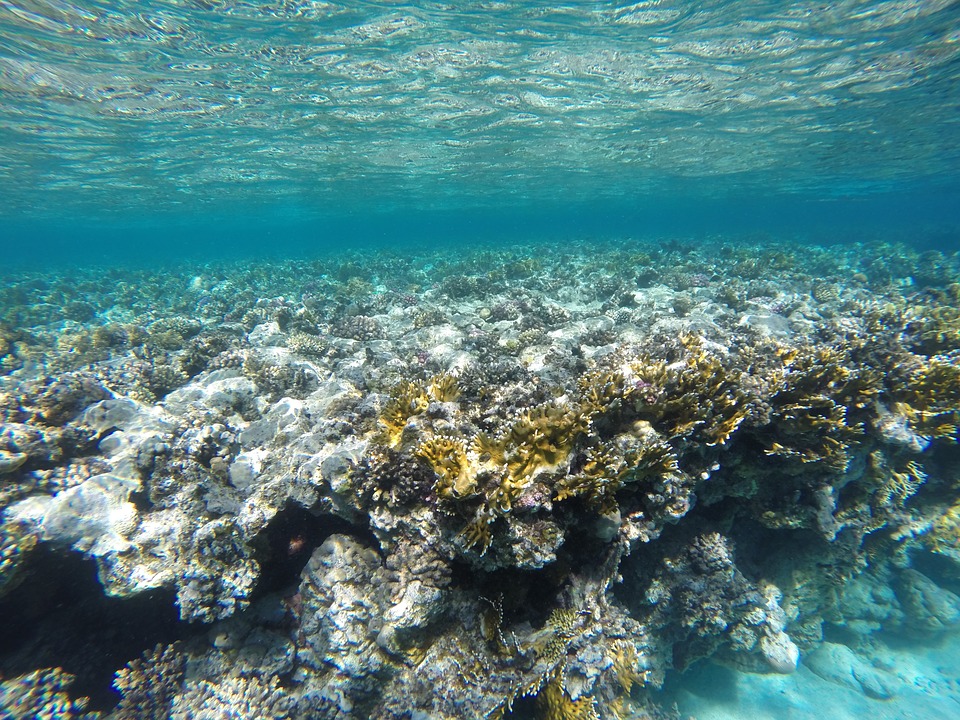
HOW DO HUMANS CAUSE THESE IMPACTS?
Human impact on coral reefs is significant. Coral reefs are dying around the world. Damaging activities include coal mining, pollution (organic and non-organic), overfishing, blast fishing, the digging of canals and access into islands and bays. Other dangers include disease, destructive fishing practices and warming oceans. Factors that affect coral reefs include the ocean’s role as a carbon dioxide sink, atmospheric changes, ultraviolet light, ocean acidification, viruses, impacts of dust storms carrying things to far-flung reefs, pollutants, algal blooms and others. Reefs are threatened well beyond coastal areas. Climate change, such as warming temperatures, causes coral bleaching, which if severe kills the coral.
Even if climate change stopped today, it is still expected more than 90% of corals will die before 2050. Without drastic intervention, we risk losing them all and since we rely on them for many things, the complete destruction of coral reefs could mean a different kind of world for future generations.
Since the start of the industrial revolution in the 1750s, human activities have dramatically increased the concentration of greenhouse gases in the atmosphere. As a result, the rate of heat loss from the earth has slowed, creating a warming effect. More than 85% of the additional heat in our atmosphere is absorbed by the oceans.
The enhanced greenhouse effect is expected to change many of the basic weather patterns that make up our climate, including wind and rainfall patterns and the intensity of storms.
Carbon dioxide and other greenhouse gases are produced by activities such as:
- Stationary energy sources such as coal-fired stations (47%)
- Transport (18%)
- Coal mines (12%)
- Agriculture (11%)
- Land use (7%)
- rubbish/waste (2%)
There are many causes of coral reef destruction that happen in the actual ocean such as:
Unsustainable fishing:
Overfishing is a big threat to the oceans, it affects more than 55% of the world’s coral reefs. When people overfish on a reef, the entire food web is affected.
Water pollution:
Clean water is vital for both humans and coral reefs, around the world, water pollution from land caused severe damage to coral reefs and poses risks to human health.
Habitat destruction:
The coral reefs we see today have taken hundreds, sometimes thousands of years to make, like trees, coral reefs are living structures that take many years to regenerate once destroyed.
Humans destroy coral reefs by doing things maybe not as obvious as pollution etc, such as:
- Coral collecting
- Destructive fishing methods
- Boat anchors
- Unsustainable tourism
- Mangrove destruction
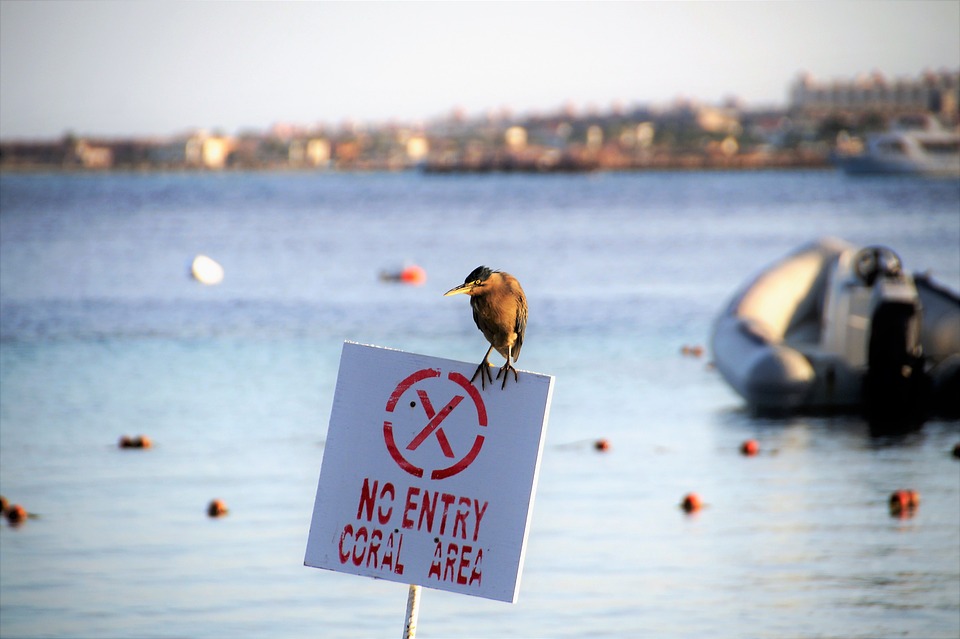
LONG TERM AND SHORT TERM EFFECTS
Coral reefs provide us with food, construction materials (limestone) and new medicines—more than half of new cancer drug research is focused on marine organisms. Reefs offer shoreline protection and maintain water quality. And they are a draw for tourists, sometimes providing up to 80 per cent of a country’s total income. Losing the coral reefs would have profound social and economic impacts on many countries, especially small island nations like Haiti, Fiji, Indonesia, and the Philippines that depend on coral reefs for their livelihoods.
So what happens if the coral reefs vanish completely? Some experts predict hunger, poverty and political instability as the livelihoods of the peoples of entire countries disappear. Once the coral is dead, the reefs will also die and erode, destroying important marine life spawning and feeding grounds. Animals that rely on coral for protection and cover, such as grouper, snapper, oysters and clams, would also be negatively impacted. And because this marine life is a vital staple in many peoples’ diets, the death of the coral reefs would exacerbate the problem of feeding these groups.
In fact, some estimates predict we are 300 to 400 times more likely to find new drugs from coral reef ecosystems than land-based ones. But that’s only if they survive the next century.
In addition to breakthrough medicines, over half a billion people depend on these reefs for food and work.
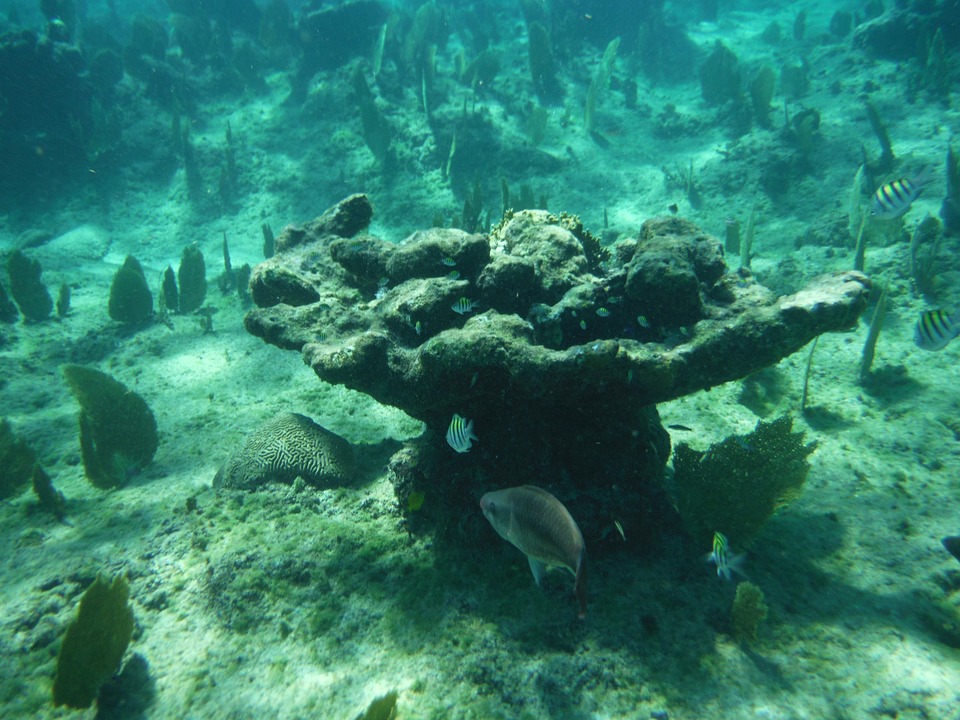
HOW CAN WE STOP THIS?
On a smaller level, these are some things we can do to help save coral reefs at home:
- Recycle and dispose of rubbish properly, debris can be harmful to coral reefs. When disposing of rubbish, make sure you put it in the right bins and try to avoid rubbish being blown out of the bin or washed away into waterways and oceans. On beaches, make sure you take all your rubbish with you and never throw any cigarette butts in the sand. You can help keep your rivers and streams clean by volunteering to pick up trash in your community. Check with your local environmental organizations for annual trash cleanups and make sure to check the annual International Coastal Cleanup.
- Minimize the use of fertilizers. Overuse of fertilizers on lawns harm water quality because harmful nutrients such as nitrogen and phosphorus from the fertilizer get washed into waterways and eventually end up in the oceans, which can pollute the water and damage corals.
- Drive less. Try to walk, ride a bike, or use public transport more often. Using these forms of transportation methods help reduce the number of greenhouse gasses that are let out in the atmosphere. Greenhouse gasses contribute to ocean acidification and increased ocean temperature.
- Reduce stormwater runoff. Reducing stormwater runoff can help prevent water pollution, reduce flooding and protect our water resources. Examples of methods to reduce the runoff are: installing water catchments or rain gardens and use rain barrels to collect rainwater that would otherwise be diverted to storm drains.
- Save energy at home and work. You can save energy at home by turning off lights and electronic devices when not using them and opting to buy energy-efficient appliances. At work, try to do something simple like turning computers and lights off when you leave.
While on a bigger scale, there have been things organised such as student rallies to the government about climate change. Thousands of students protested outside parliament houses all across Australia to try to get them to recognise climate change and to do something about it. The only way climate change can be dealt with properly is if the government gets involved as they are the ones that control policy and legislation, so getting involved in things such as these rallies help get attention for climate change, which will then help stop the destruction of coral reefs.
Here is a video about the student rallies to the government for climate change