



The term Third World is used to describe a country that is not developed as much as other countries and faces economic, social, political, environmental and other issues.
Over half of the world’s population live in developing or undeveloped countries.
Issues such as poverty, lack of fresh/drinking water, lack of education and no medical support affect a lot more people than we realise, and because these things are part of our daily lives, we don’t really tend to think about the rest of the world.
In 2003, 10.6 million children died due to some of these issues before they reached the age of 5 in the third world countries, which is the same number of children in France, Germany, Greece and Italy.
Everyone deserves the same rights and should be able to have things we don’t even really think about because they are part of our everyday life.
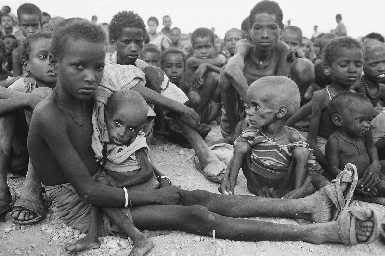
POVERTY
Underdeveloped countries are at the very bottom of the global economy, with widespread extreme poverty and dire living conditions. They usually have little or no infrastructure or reliable health care and other social services. Many have experienced long-term political unrest in the form of civil war or armed conflict with other nations, or have been subject to unstable governments, dictatorships, and/or corruption. In addition, they may frequently suffer environmental events and natural disasters that cause famine, destruction, and displacement of large segments of their populations.
Almost half of the world’s population, around 4 billion people, live on less than $2.50 a day.
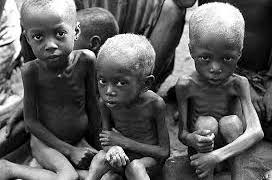
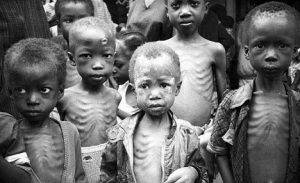
According to UNICEF, 22,000 children die each day due to poverty.
“they die quietly in some of the poorest villages on earth, far removed from the scrutiny and the conscience of the world. Being meek and weak in life makes these dying multitudes even more invisible in death”.
For the 1.9 billion children from the developing world, there are 640 million people without adequate shelter (1 in 3)
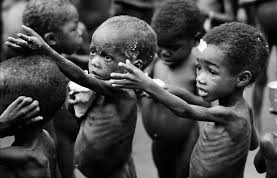
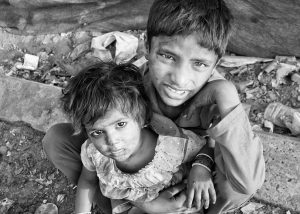
LACK OF FRESH/DRINKING WATER
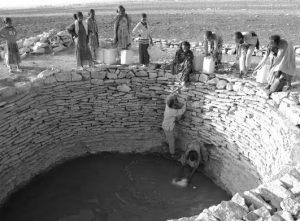
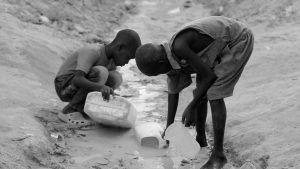
1.8 billion people who have access to a water source within 1 kilometre, but not in their house or yard, consume around 20 litres per day. In the United Kingdom, the average person uses more than 50 litres of water a day flushing toilets (where average daily water usage is about 150 litres a day. The highest average water use in the world is in the US, at 600 litres day.)
For the 1.9 billion children from the developing world, there are 400 million people with no access to safe water (1 in 5)
Over 40% of the global population does not have access to sufficient clean water. By 2025, 1.8 billion people will be living in countries or regions with absolute water scarcity, according to UN-Water.
Women are disproportionately affected by the water crisis, as they are often responsible for collecting water. This takes time away from work, school and caring for the family. The lack of water and sanitation locks women in a cycle of poverty.
Empowering women is critical to solving the water crisis. When women have access to safe water at home, they can pursue more beyond water collection and their traditional roles. They have time to work and add to their household income.
Approximately 71% of all illnesses in developing countries are caused by poor water and sanitation conditions.
LACK OF MEDICAL/HEALTH CARE
For the 1.9 billion children from the developing world, there are 270 million people with no access to health services (1 in 7)
66% of the total population of Africa is at risk of developing malaria. There are as many as twelve million cases of malaria reported every year in Africa, more than a million of them fatal in 2002; about 90% of all deaths from malaria worldwide occur in Africa. Children are particularly vulnerable to the disease.
Every year there are 350-500 million cases of malaria, with 1 million fatalities. Africa accounts for 90% of malaria deaths, and African children account for over 80% of malaria victims worldwide.
In those under age five, nearly 20% of all deaths in sub-Saharan Africa are directly attributable to malaria. Considerably more are believed to be indirectly related to the disease because repeated malarial infections can lead to severe anaemia, which in turn makes children more susceptible to other illnesses. Additionally, infection of pregnant women raises the rate of infant mortality because it can cause low birth weight and other complications.
Infectious diseases find their way into people’s lives in these third world countries. An estimated 40 million people are living with HIV/AIDS, with 3 million deaths in 2004.
LACK OF EDUCATION
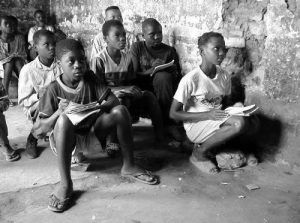
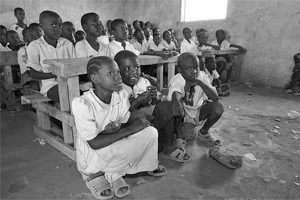
The persistent military conflicts in many African countries also make it nearly impossible for many children, particularly those living in rural areas, to attend school, even if schools still exist. Decades of political, economic, and social turmoil have decimated the educational sector on the continent. Schools have been destroyed; students and teachers have been killed; teaching materials and supplies are virtually non-existent.
Nearly a billion people entered the 21st century unable to read a book or write their names, 121 children worldwide don’t have access to education.
Children in poor countries face many barriers to access education. Some are obvious, like not having a school to go to, while others are more subtle, like the teacher at the school not having had the training needed to help children learn effectively.
There could also not be enough money to fund the school and actually make classrooms and get the supplies needed for their education.
One of the best ways to get out of poverty is through a good education so they can go on to get good jobs and set themselves out for a good future, but without the education, this is made difficult.